We examine and discuss important topics and developments in health and safety to share our insight and experience with you!
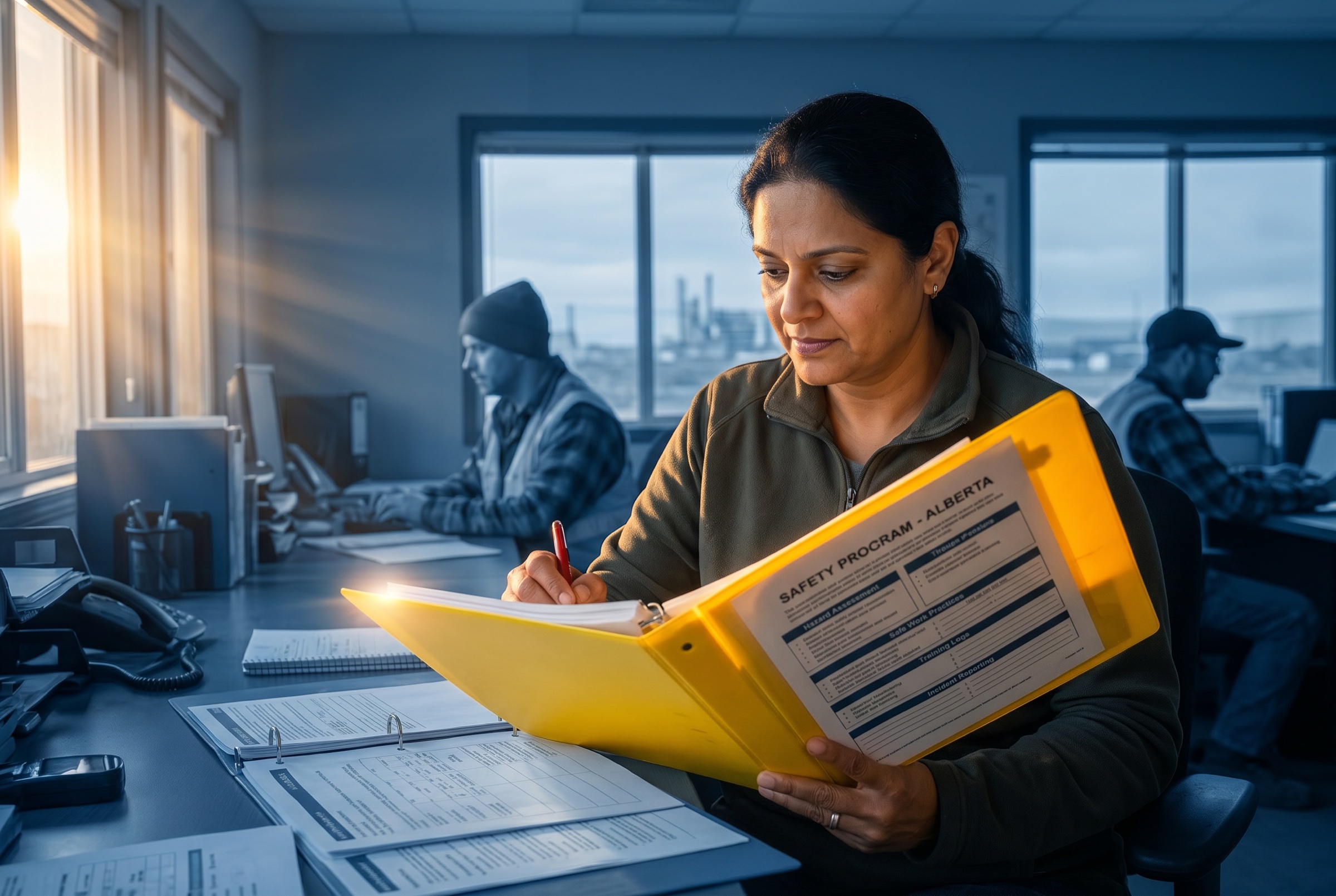
After a serious incident involving a subcontractor, Alberta OHS required proof of how safety was being managed across multiple employers on site. We had already brought in external safety consultants who helped us build a structured subcontractor compliance program—something I originally thought was overkill. That decision became the reason we could demonstrate due diligence and protect the business.
As our company grew, I assumed strong supervisors would naturally carry safety.
They were experienced. They knew the work.
But their role had changed more than I realized.
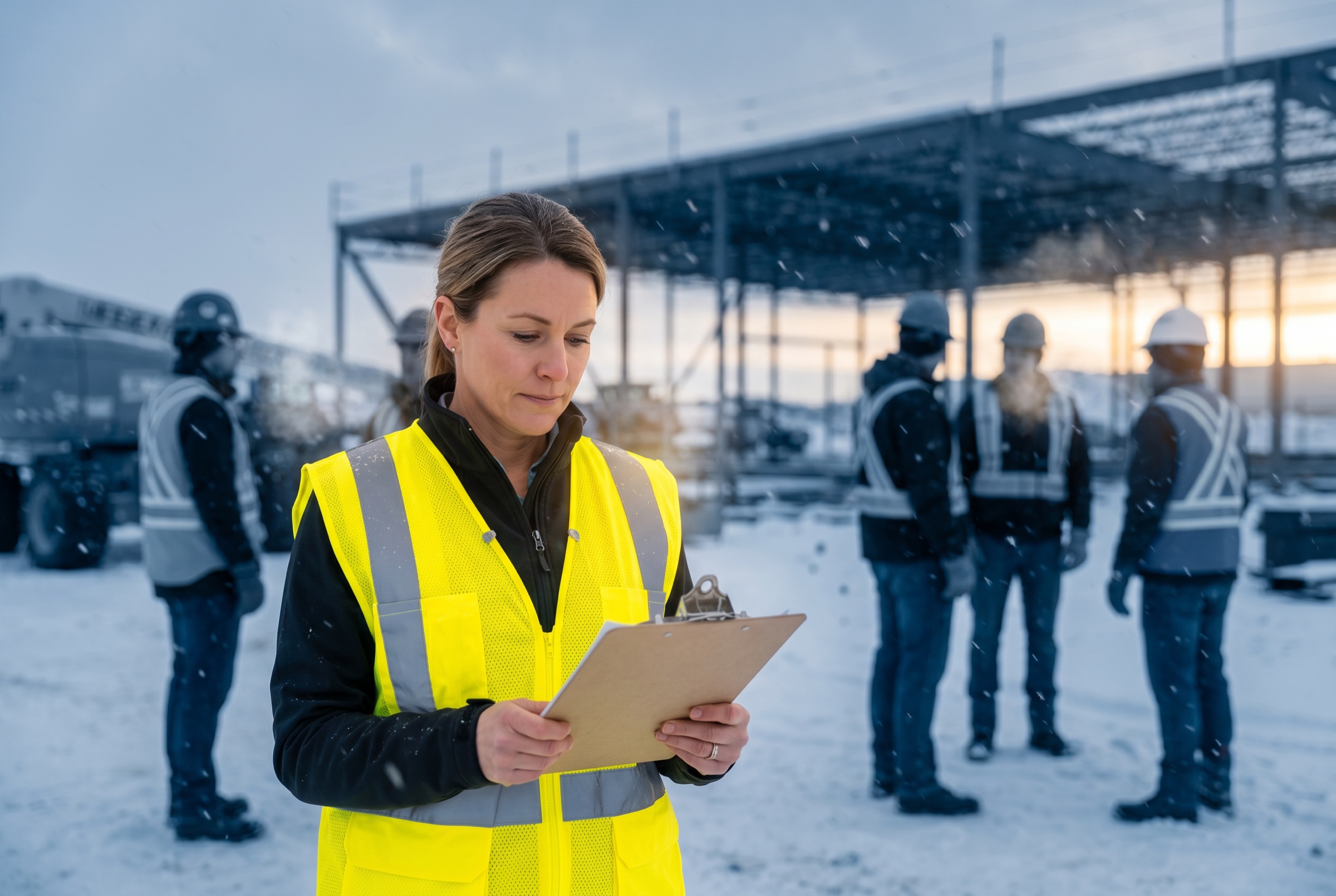
They were balancing crews, schedules, and changing conditions—while also being responsible for how safety was handled on site.
Under Alberta OHS, that responsibility is significant.
What I came to understand is this:
It’s not enough to have a safety program.
The people responsible for executing it need the structure and knowledge to carry it out consistently.
Would your system hold up across every crew?
As Alberta contractors grow, informal safety practices often stop being enough. This article explores the challenge of introducing a structured safety program while maintaining trust with experienced crews and protecting the business under Alberta OHS requirements.

As Alberta contracting businesses grow, safety expectations grow with them. This article reflects on the moment many owners experience — realizing that workplace safety is not just about careful crews, but about aligning operations with Alberta’s Occupational Health and Safety Act, Regulation, and Code. If your company has expanded into multiple crews, job sites, or supervisory roles, it may be time to examine whether your safety system has grown with your business.
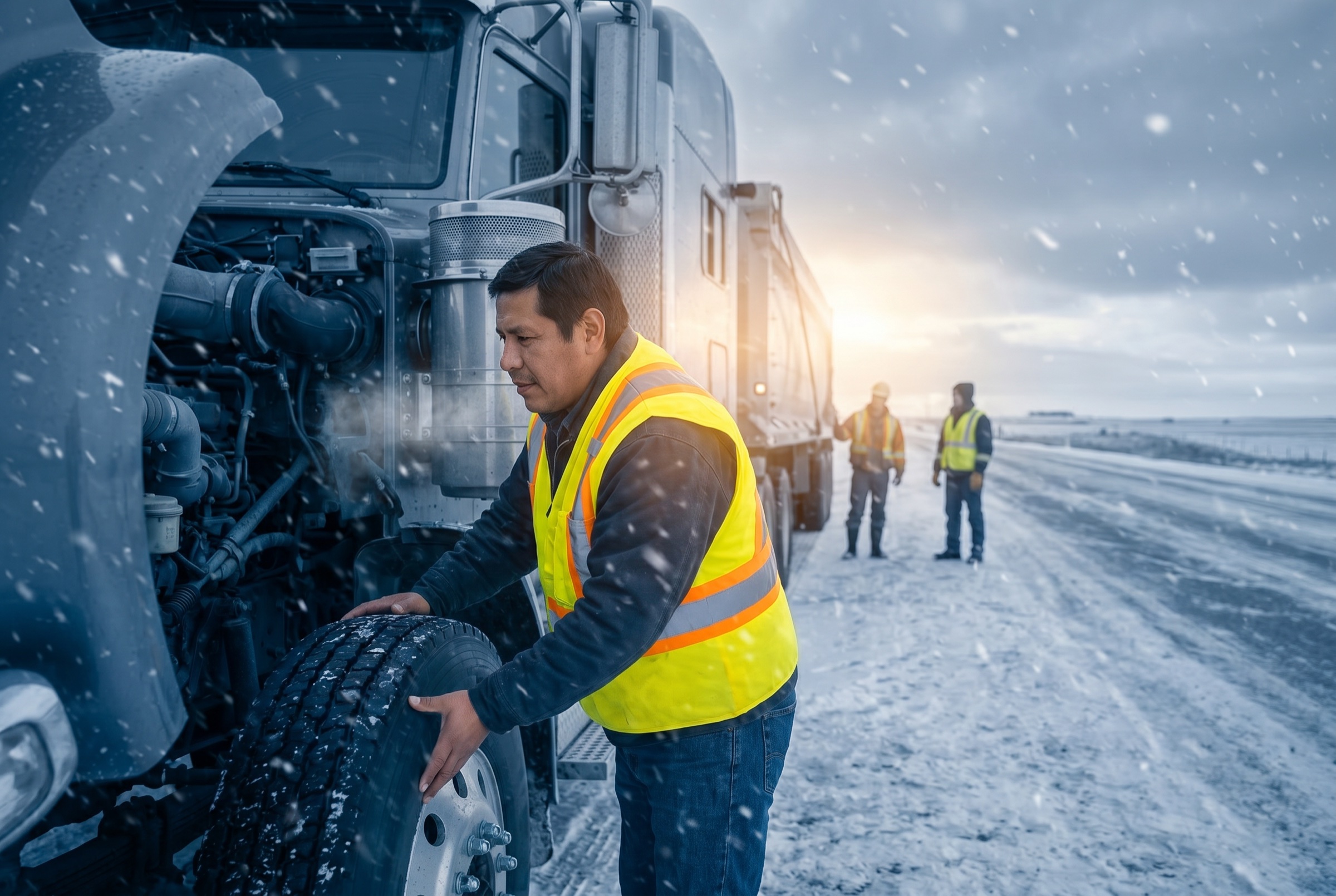
As Alberta companies grow, informal safety practices often begin to create operational strain. This article explores why safety can feel like friction, how governance and accountability structures influence behaviour, and what growing employers can do to align safety systems with operational performance before inspection pressure escalates.
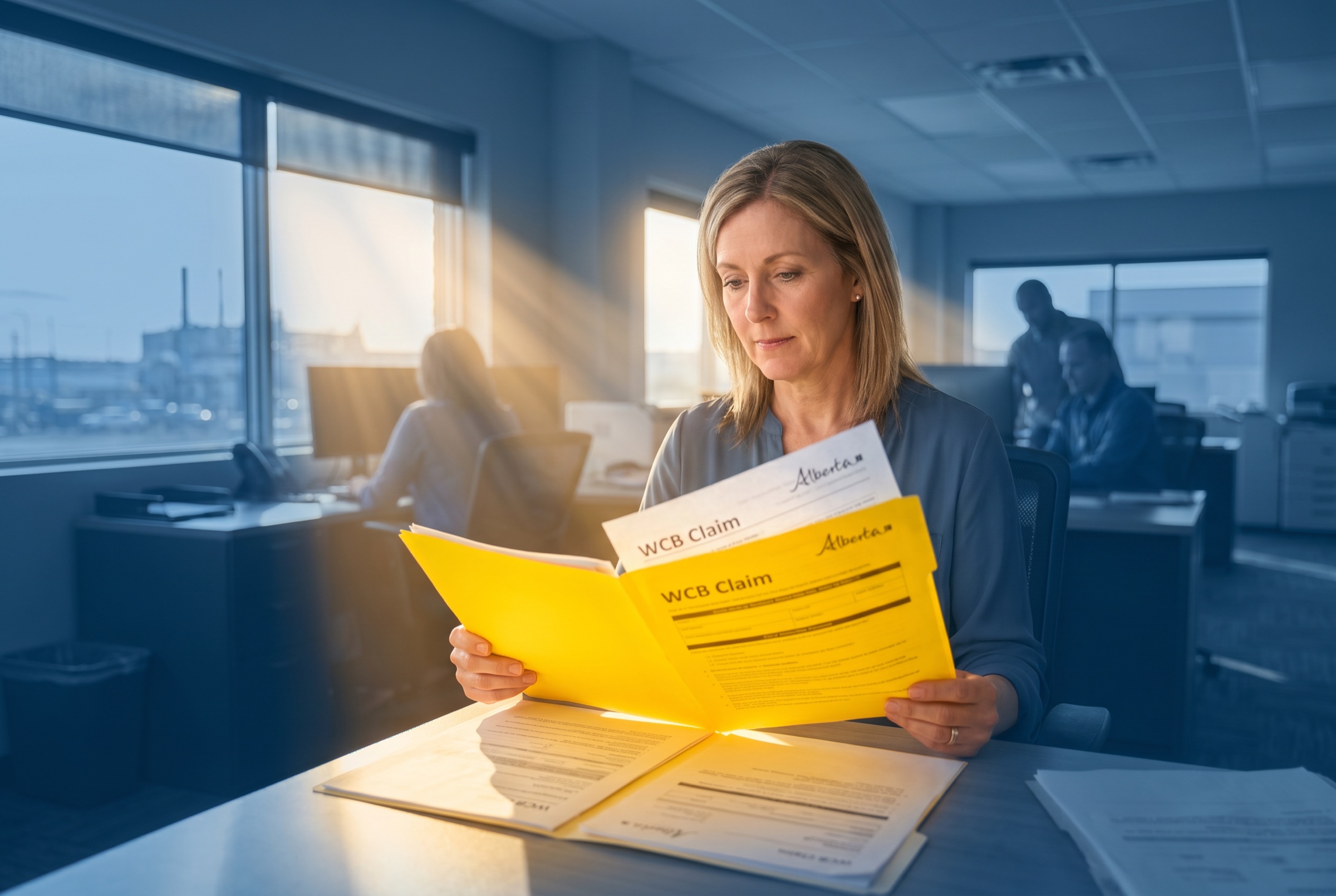
COR provides a strong foundation, but inspections test consistency under real-world conditions. Learn how Alberta business owners can strengthen oversight and ensure their COR holds up as operations grow.
A fatal collision on Anthony Henday is a reminder that driving for work remains one of the most underestimated workplace hazards. Here’s how Alberta OHS typically interprets employer responsibility for driving-related risk — and what gaps business owners should address before something goes wrong.
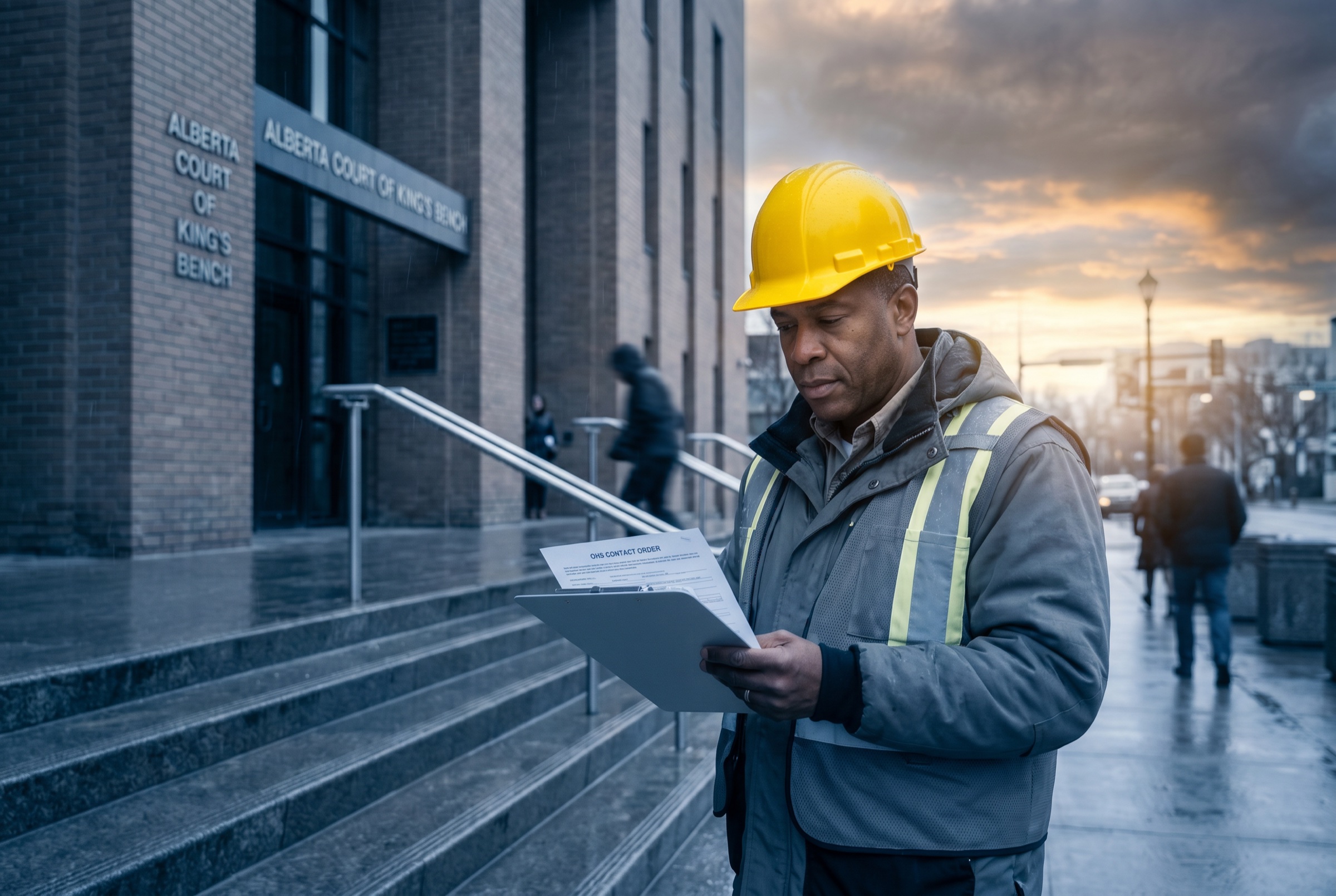
We didn’t have an injury. Nothing felt urgent. Then the OHS order arrived. This story isn’t about unsafe work — it’s about what gets exposed when your safety system is examined and clarity matters more than you expect.
As a Safety Advisor, most of the safety problems I see don’t start with negligence. They start with reasonable assumptions — the kind that make sense day to day — until the business is forced to test them under pressure.
This article reflects on how periods without incidents can feel like proof that safety systems are working — even when they’ve never been required to perform under pressure. The Calm Before the Claim shows why serious incidents tend to reveal long-standing assumptions, not sudden failures, and why clarity is far easier to gain before it’s forced by an event.