

We examine and discuss important topics and developments in health and safety to share our insight and experience with you!
As Alberta contracting businesses grow, safety expectations grow with them. This article reflects on the moment many owners experience — realizing that workplace safety is not just about careful crews, but about aligning operations with Alberta’s Occupational Health and Safety Act, Regulation, and Code. If your company has expanded into multiple crews, job sites, or supervisory roles, it may be time to examine whether your safety system has grown with your business.

As Alberta companies grow, informal safety practices often begin to create operational strain. This article explores why safety can feel like friction, how governance and accountability structures influence behaviour, and what growing employers can do to align safety systems with operational performance before inspection pressure escalates.

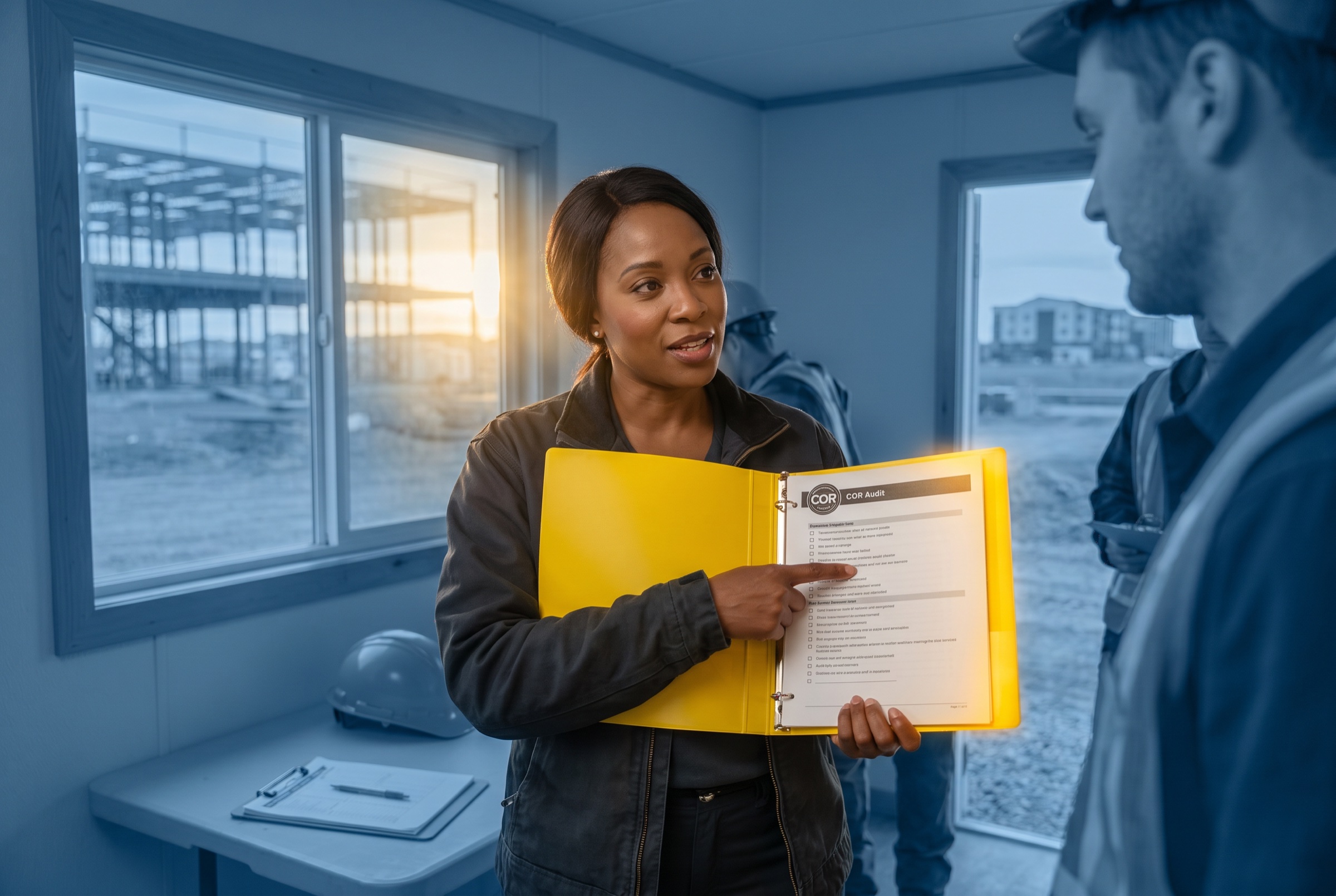
COR provides a strong foundation, but inspections test consistency under real-world conditions. Learn how Alberta business owners can strengthen oversight and ensure their COR holds up as operations grow.
A fatal collision on Anthony Henday is a reminder that driving for work remains one of the most underestimated workplace hazards. Here’s how Alberta OHS typically interprets employer responsibility for driving-related risk — and what gaps business owners should address before something goes wrong.
We didn’t have an injury. Nothing felt urgent. Then the OHS order arrived. This story isn’t about unsafe work — it’s about what gets exposed when your safety system is examined and clarity matters more than you expect.
As a Safety Advisor, most of the safety problems I see don’t start with negligence. They start with reasonable assumptions — the kind that make sense day to day — until the business is forced to test them under pressure.
This article reflects on how periods without incidents can feel like proof that safety systems are working — even when they’ve never been required to perform under pressure. The Calm Before the Claim shows why serious incidents tend to reveal long-standing assumptions, not sudden failures, and why clarity is far easier to gain before it’s forced by an event.
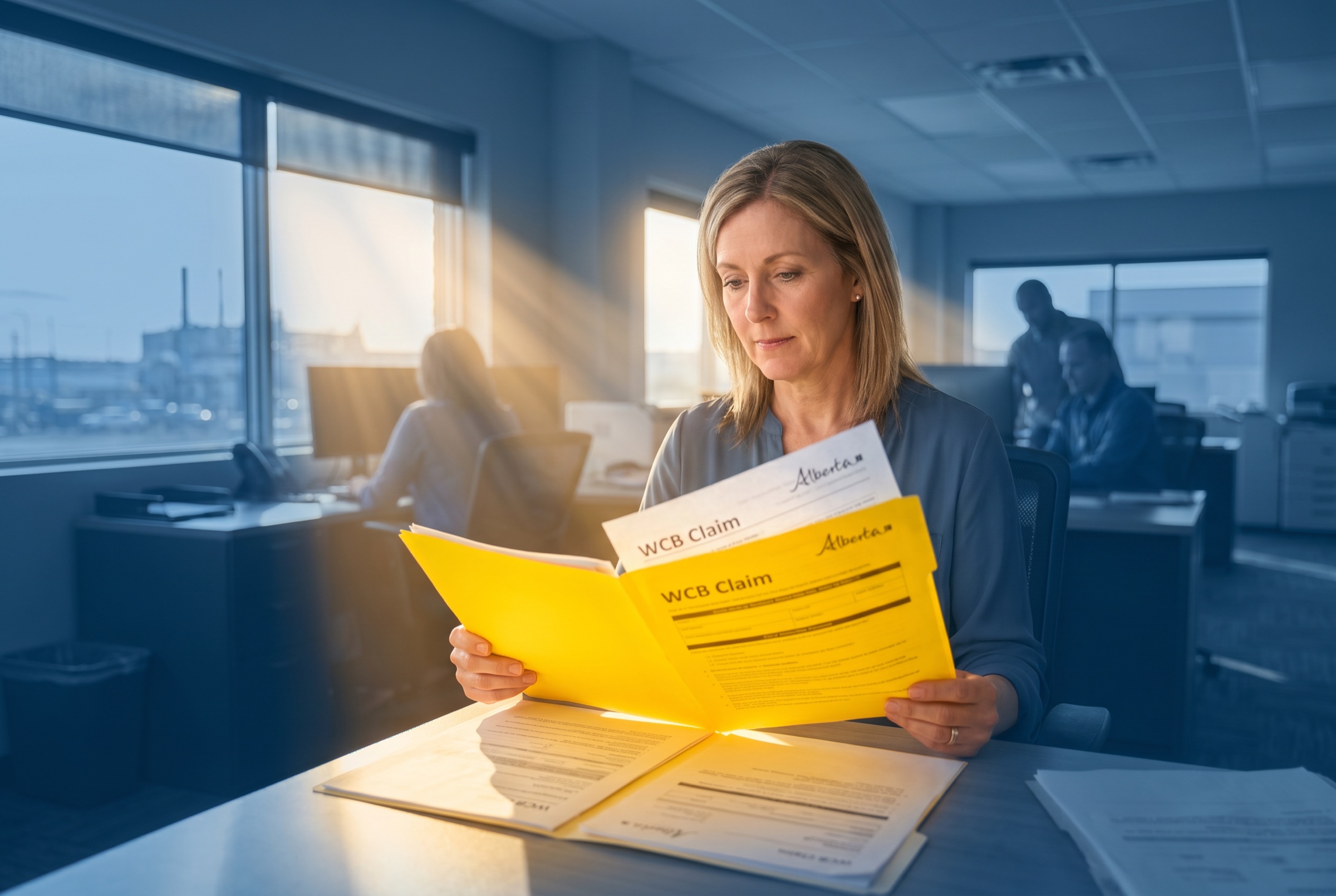
I didn’t realize that 55% of workplace injuries happen to first-year workers until it happened in my own company. When my new employee was injured, the WCB claim that followed exposed gaps in my training documentation, onboarding, supervision, and Return-to-Work process that I genuinely thought were in place. The injury itself wasn’t what created the biggest cost — it was everything I didn’t know about WCB, modified duties, early reporting, and how claim duration affects premiums.
Going through that experience made me see how vulnerable new workers really are, and how easily well-intentioned employers can miss important pieces without awareness nor active maintenance. It taught me that strong onboarding, clear documentation, and a proper Return-to-Work system aren’t “nice to have” — they directly influence safety outcomes and WCB costs. Learning this the hard way pushed me to strengthen my program so my team, and my business, are better protected moving forward.


When I heard about the Hong Kong fire, where ignored safety rules and poor oversight led to tragedy, it made me stop and think about my own situation. I’d already been feeling overwhelmed trying to put together a safety program, especially after realizing how unprepared we were for our upcoming COR audit. Then I remembered the story my friend told me about working for a company that treated safety like an afterthought—right up until it cost them their contract after a fatal incident. Seeing the Hong Kong fire in the news was the final push. It was a reminder that when safety gets ignored, whether it’s a massive building overseas or a small business here at home, the consequences are real. That’s when I knew I needed proper support, not just a checklist, to make sure my business never ended up in the same situation.
Many new Alberta business owners don’t realize what safety documentation, hazard assessments, training records, and supervisor responsibilities they legally need until a commercial client asks for COR. In this short first-person story, I explain how a friend’s landscaping company lost a major contract because their safety program wasn’t ready — and how that became an eye-opener for my own construction business. If you want to grow, bid on larger work, and stay compliant with OHS without surprises, this guide shows what you need before you need it.